Water might seem harmless when it’s flowing through your garden hose or filling your bathtub, but it’s actually one of the most destructive forces your home will ever face. Most homeowners get excited about kitchen renovations or fresh paint jobs, and who can blame them? Yet the drainage system quietly working beneath their feet rarely gets a second thought until disaster strikes. Here’s the thing: effective water management isn’t just important; it’s your property’s first line of defense against moisture damage, foundation problems, and repair bills that’ll make your eyes water. When you understand what your drainage system does and why it matters so much, you’re potentially saving yourself thousands of dollars while keeping your home safe and valuable for decades.
Understanding the Fundamentals of Home Drainage Systems
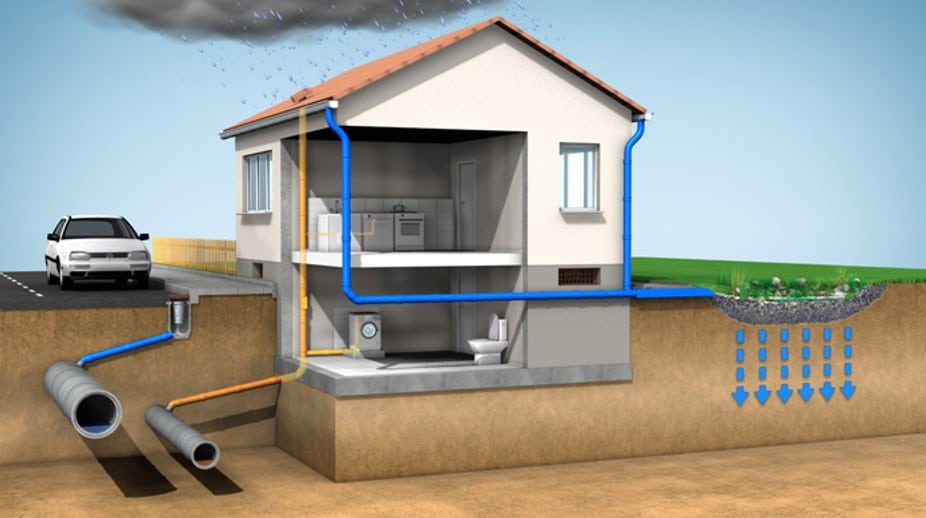
Think of your home’s drainage system as a carefully choreographed team effort, with each component playing a specific role in keeping water where it belongs, far away from your foundation. Your gutters and downspouts catch rainwater as it rolls off the roof, steering it away before it can settle around the structure. Meanwhile, French drains, properly graded surfaces, and underground pipes create additional escape routes for water that needs somewhere to go. These elements need to work together seamlessly, handling everything from gentle spring showers to those torrential downpours that seem to come out of nowhere.
Foundation Protection Through Strategic Water Management
Your foundation isn’t just another part of your house, it’s literally holding up everything above it, which makes protecting it absolutely non-negotiable. Water pooling around your foundation creates something called hydrostatic pressure, which sounds technical but really just means water is pushing hard enough to force its way through concrete walls and mess up your home’s structural integrity. Here’s what’s even worse: when soil gets wet and then dries out repeatedly, it expands and contracts like it’s doing calisthenics, leading to foundation settling, cracks, and in extreme cases, catastrophic failure. Good drainage stops these problems by keeping the moisture levels in your foundation’s surrounding soil nice and steady.
Preventing Landscape Erosion and Property Damage
Effective drainage doesn’t stop at protecting your home’s structure, it’s also your landscape’s best friend and your defense against erosion that can completely reshape your property. Uncontrolled water racing across your yard acts like a miniature river, carving out channels and carrying away topsoil, mulch, and plants with surprising efficiency. This erosion doesn’t just leave ugly gullies and bare spots; it undermines everything from sidewalks and driveways to those retaining walls you paid good money for. Your plants and grass need stable ground to flourish, and when water strips away the nutrient-rich topsoil, they’re basically trying to survive on concrete.
Protecting Your Roof and Exterior Surfaces
Everything starts at your roofline, where your gutters serve as the first critical checkpoint for rainwater management. Get this: just one inch of rain on a 2, 000-square-foot roof generates more than 1, 200 gallons of water that needs to go somewhere safe. When gutters get clogged or damaged, that water overflows and streams down your exterior walls, potentially sneaking behind your siding. This moisture infiltration causes wood rot, peeling paint, and interior water damage that might stay hidden until the decay is already serious. Winter brings its own headaches with ice dams when drainage systems aren’t working properly. For professionals who need to assess and maintain roofing systems regardless of weather conditions, Ace Roofing provides comprehensive solutions that ensure water flows efficiently off your roof and well away from vulnerable areas. Cleaning gutters regularly, positioning downspouts correctly, and making sure your gutters can handle your roof’s water volume, these aren’t optional maintenance tasks. Your downspout extensions should carry water at least five to ten feet from your foundation, ideally toward areas with good drainage slopes or into underground systems designed to transport water even farther away.
Health and Safety Considerations of Poor Drainage
Poor drainage doesn’t just threaten your home’s structure, it creates genuine health and safety hazards for everyone living there. Standing water near your foundation becomes a five-star resort for mosquitoes and other disease-carrying pests that’ll make your outdoor time miserable. When moisture seeps into basements and crawl spaces, mold and mildew move in quickly, releasing spores that trigger allergies, asthma attacks, and various respiratory issues. Extended mold exposure poses serious health risks, especially for kids, seniors, and anyone with a weakened immune system.
Maintenance Strategies for Long-Term Drainage Performance
Setting up a consistent maintenance routine keeps your drainage systems doing their job effectively through every season. Gutters need cleaning at least twice a year, typically late spring and late fall, with extra cleanings if you’ve got trees dropping leaves, seeds, or needles throughout the year. Every time you clean gutters, check your downspouts for blockages, secure connections, and proper positioning. Ground-level features like French drains and channel drains deserve periodic inspections to confirm they’re clear of debris and still functioning as intended.
Conclusion
Proper drainage stands as one of the most essential yet frequently ignored aspects of home protection and upkeep. Once you understand how water impacts your foundation, exterior surfaces, landscape, and overall structural soundness, you can make smart decisions about drainage improvements and maintenance priorities. The relatively small investment in establishing and maintaining effective drainage systems delivers massive returns by preventing expensive repairs, protecting property values, and safeguarding your family’s health and safety. Whether you’re fixing existing drainage headaches or proactively boosting your property’s water management capabilities, taking action now brings peace of mind and real benefits for years down the road.